Wedding Catering in Denver, Colorado: How to Create a Dining Experience Your Guests Will Remember
There is something special about the food at a wedding. Years after the flowers have disappeared, the music has faded and the decorations have been packed away, people will still remember what they ate, who they shared the table with and how the meal made them feel. That is why wedding catering deserves to be treated as much more than another item on the wedding planning checklist.
For couples getting married in Denver, Colorado, the possibilities are particularly interesting. The city has a remarkably diverse food scene, and that variety has found its way into wedding celebrations. A couple can choose an elegant plated dinner, a family-style meal, a sophisticated buffet, a chef-driven menu, a Mexican-inspired reception, a food truck or even a combination of different culinary experiences throughout the evening.
The question is no longer simply, “What are we going to serve?”
A better question is: What do we want our guests to experience when they sit down at our wedding?
That small change in perspective can completely transform the way you approach wedding catering.
What Is Wedding Catering?
Wedding catering is the planning, preparation and service of food and beverages for a wedding celebration. But in practice, professional wedding catering involves considerably more than cooking the meal.A caterer may be responsible for menu development, food preparation, transportation, setup, serving staff, rentals, table presentation, timing, cleanup and coordination with the wedding planner and venue.
That behind-the-scenes work is one of the reasons professional catering can make such a difference. The guests should experience a beautiful meal without seeing all of the logistics required to make it happen.In Denver, full-service wedding caterers may handle everything from setup through cleanup, while other options focus on specific formats such as food trucks, buffet service or chef-led experiences.
Why the Food Should Be Part of Your Wedding Story
A wedding is ultimately a celebration of two people, so it makes sense that the food should have some connection to who they are.Maybe you grew up eating Mexican food with your family. Maybe you met in Denver and fell in love with the city’s restaurant scene. Perhaps you both enjoy cooking, traveling or discovering new cuisines.
There is no reason your wedding menu has to look exactly like every other wedding menu.
In fact, some of the most memorable celebrations are the ones where the food feels personal.
A couple who loves tacos might create an elevated taco experience instead of serving a conventional plated dinner. Another couple might choose a seasonal Colorado-inspired menu built around local ingredients. Someone else may prefer a formal multi-course dinner with carefully paired wines.
The food should make sense for the couple.
Denver’s Food Scene Creates More Possibilities
One of the advantages of getting married in Denver is the variety of culinary styles available.The city and surrounding Front Range offer traditional full-service catering, food trucks, chef-driven menus, Mexican cuisine, international food, vegetarian and vegan options and more casual formats for couples who do not want a formal reception dinner.
That variety gives couples an opportunity to move beyond the standard idea of wedding food.
For example, The Roadrunner offers wedding catering built around New Mexican street food and serves dishes such as carne asada, pollo adobado, pork al pastor and vegetarian calabacitas.True Love Tacos takes a similar idea in a different direction, offering Mexican food truck catering in Denver and surrounding areas with tacos, quesadillas, chips and salsa, vegetarian options and churros.
The point is not that every Denver wedding should have tacos or a food truck.
The point is that Denver gives couples permission to think beyond the traditional wedding menu.
What Is a Chef-Driven Wedding Menu?
A chef-driven wedding menu is designed around the culinary vision of the chef rather than simply selecting items from a standardized catering package.This approach can be especially appealing to couples who consider food one of the most important parts of the celebration.
Instead of choosing chicken, beef or pasta from a predetermined list, you may work with the chef to create a menu around your favorite ingredients, cultural traditions, seasonal availability or a particular style of cuisine.This can make the meal feel more like an experience at a great restaurant than conventional banquet food.
Burchild Catering in Denver, for example, describes its wedding service around custom menus and chef-driven artistry, with an emphasis on creating menus that reflect the couple’s culture and story.
That is an increasingly interesting direction for modern weddings.
Custom Wedding Menus in Denver
A custom menu does not necessarily mean that every dish has to be invented from scratch.Sometimes personalization can be as simple as choosing dishes that have a connection to your relationship.Maybe your first date involved a particular type of food. Maybe one of your families has a traditional recipe that belongs at the reception. Perhaps you want to incorporate flavors from different cultures because your backgrounds are different.
These personal details can be incorporated into appetizers, cocktails, the main course or dessert.
The result is a meal that feels intentional rather than generic.
Mexican Wedding Catering in Denver
For couples with Mexican heritage or simply a love of Mexican cuisine, Denver offers plenty of possibilities.
Mexican-inspired wedding catering can range from sophisticated plated dishes to casual taco stations and food trucks.
The important distinction is that Mexican wedding food does not have to mean a casual reception.
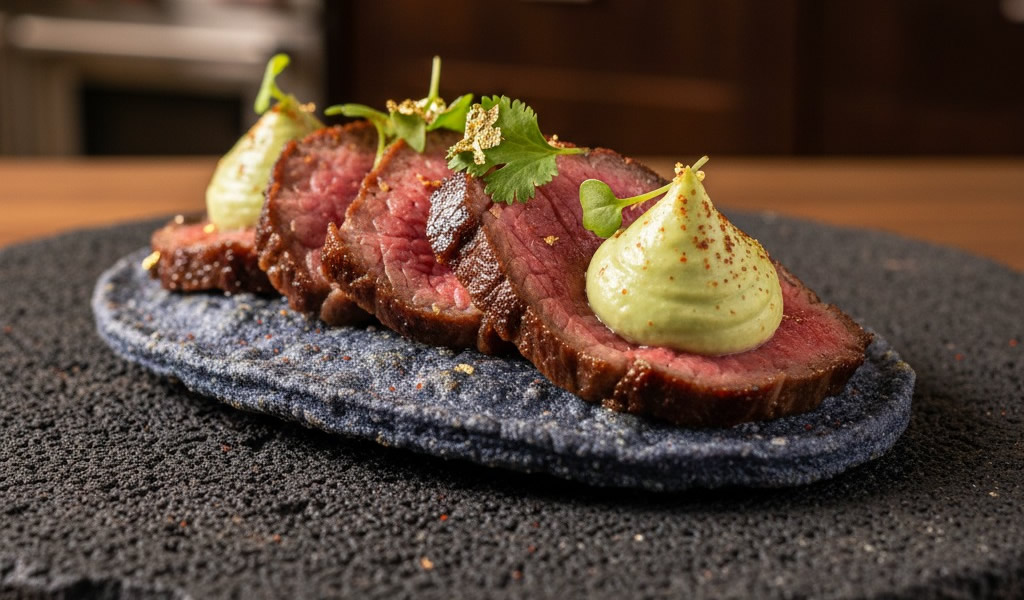
A professional caterer can take familiar ingredients and present them in a more refined way, creating a menu that feels appropriate for an elegant wedding while still retaining the flavors that make the cuisine meaningful.
Think about the possibilities: carefully prepared carne asada, handmade tortillas, seasonal vegetables, sophisticated salsas, mole, fresh ceviches, elevated tacos or regional dishes connected to your family’s traditions.
The goal is not to make Mexican food look like something else.
The goal is to let the cuisine speak for itself while presenting it in a way that fits the celebration.
Food Trucks for Denver Weddings
Food trucks have become an interesting alternative for couples who want a more relaxed and interactive reception.
Instead of guests sitting down to a formal plated dinner, the food becomes part of the experience.
Guests can approach the truck, watch the food being prepared and choose what they want to eat.
Denver has caterers specifically offering food truck experiences for weddings and private events. The Roadrunner, for example, describes its service as combining professional catering with the energy of a food truck and prepares New Mexican street food on site.
True Love Tacos similarly brings a Mexican food truck experience to weddings throughout Denver and surrounding areas.
This format can work particularly well for outdoor weddings, casual celebrations and couples who want their reception to feel relaxed rather than formal.
There is one important consideration, however: service speed.
Recent discussions among Denver couples looking for wedding food show that food trucks can be wonderful, but the number of service lines and the ability to serve a large guest list efficiently matter enormously. Long waits can quickly become frustrating for guests.
So if you choose a food truck, ask exactly how many guests the team can serve per hour and how the service line will be organized.
Plated Dinner vs. Buffet vs. Family Style
The way food is served can be just as important as what is served.
A plated dinner creates a formal, restaurant-like experience. Each guest receives their meal at the table, and the pacing can be coordinated with speeches, music and other parts of the reception.A buffet offers more flexibility. Guests can choose what they want and control their portions, and it can work particularly well for larger groups.
Family-style service creates something different again.
Large platters and serving dishes are placed on the tables, and guests serve themselves while sharing the meal with the people around them.
This format can feel warmer and more conversational.
There is also evidence that family-style and interactive dining are becoming more attractive as couples look for wedding experiences centered around connection rather than formality. Current wedding trend reporting points toward seasonal menus, communal dining and food experiences that involve guests more directly.
What Is the Best Catering Style for a Denver Wedding?
There is no universal answer.
The right format depends on your venue, guest count, budget and the atmosphere you want.
A formal downtown wedding may be perfect for plated service.
A backyard wedding may feel more natural with a food truck or buffet.
A smaller celebration might work beautifully with chef-led family-style dining.
A mountain wedding may benefit from a menu inspired by Colorado’s landscape and seasonal ingredients.
Think about the experience first, then choose the service format.
Seasonal Ingredients for Colorado Weddings
Seasonality can be a wonderful way to make a wedding menu feel connected to Colorado.
Rather than trying to serve the same ingredients throughout the year, ask your caterer what is naturally available during your wedding season.
Spring, summer, fall and winter each offer different possibilities.
A summer wedding may lend itself to fresh vegetables, fruit, grilled dishes and lighter preparations. Fall can bring richer flavors, roasted vegetables and seasonal ingredients. Winter can support heartier dishes and warm, comforting flavors.
Using seasonal ingredients can also create a more natural relationship between the food, flowers and overall wedding design.
Farm-to-Table Wedding Catering
For couples who value local sourcing, farm-to-table catering can be an attractive option.
The idea is relatively simple: use ingredients sourced from nearby farms and producers whenever possible, creating menus that reflect the region and season.
But farm-to-table should not simply be used as a marketing phrase.
Ask your caterer where ingredients come from and which parts of the menu can realistically be sourced locally.
For some Denver couples, the connection to local farms is part of the appeal of the entire wedding experience. In recent local wedding discussions, couples have specifically praised caterers for growing food themselves or sourcing ingredients from local farms, particularly when the food and service both became memorable parts of the celebration.
How Much Does Wedding Catering Cost in Denver?
Wedding catering prices vary considerably.
The final cost can depend on guest count, menu complexity, service style, staffing, rentals, beverages, venue requirements and the amount of preparation involved.
A simple buffet and a chef-led plated dinner are not comparable services, even if they feed the same number of people.
Food trucks may appear less expensive initially, but you also need to consider service duration, staffing, travel, rentals and guest capacity.
Full-service catering may have a higher initial price, but the package can include setup, servers, dinnerware, linens and cleanup.
That is why comparing only the per-person price can be misleading.
You need to compare what is actually included.
What Does Full-Service Wedding Catering Include?
A full-service caterer may handle much more than the food itself.
Depending on the company, the service can include:
- Menu planning
- Food preparation
- Delivery
- Setup
- Servers
- Bartending
- Dinnerware
- Glassware
- Flatware
- Linens
- Tables and chairs
- Buffet equipment
- Cleanup
- Breakdown
Three Tomatoes Catering, for example, describes its Denver wedding catering as an all-inclusive service that can include setup, service, breakdown and cleanup, along with rentals such as glassware, dinnerware, utensils, linens, tables and chairs.
This kind of service can significantly reduce the number of details the couple needs to coordinate themselves.
Catering for Guests With Dietary Restrictions
Modern wedding menus need to accommodate more than one type of eater.
Vegetarian, vegan, gluten-free, dairy-free and other dietary requirements should be discussed with the caterer early in the planning process.
The goal should not be to create an obviously separate or inferior meal for guests with dietary restrictions.
Ideally, the caterer should be able to provide thoughtful alternatives that feel like part of the same menu.
This is particularly important when you have a large guest list.
Some Denver caterers explicitly advertise vegetarian, vegan and other dietary options as part of their wedding packages.
The Cocktail Hour Should Be Part of the Food Experience
One of the easiest mistakes is to think about catering only in terms of dinner.
The cocktail hour is an opportunity to introduce the culinary concept of the wedding before guests sit down.
Passed appetizers, small plates, grazing displays, interactive stations or specialty cocktails can create an immediate impression.
This is also a good moment to serve something more playful.
If dinner is elegant and formal, cocktail hour can be slightly more relaxed. If dinner is casual, the appetizers can establish that tone from the beginning.
Late-Night Wedding Food
After several hours of dancing, guests are going to get hungry again.
Late-night food has become an increasingly popular way to extend the reception experience.
This does not need to be complicated.
Think tacos, sliders, fries, pizza, mini sandwiches, churros or other foods that are easy to eat after a few hours on the dance floor.
For a Denver wedding, this is another opportunity to make the menu personal.
If your guests are taco lovers, a late-night taco station might be more memorable than another formal dessert.
Dessert Can Become Entertainment
Dessert does not necessarily have to be a traditional wedding cake.
Couples are increasingly using dessert as part of the guest experience, with interactive stations and visually engaging presentations becoming more common. Current wedding trends emphasize food as entertainment and encourage couples to create moments around preparation, presentation and participation.
Imagine a dessert station where guests can choose toppings.
Or churros prepared and served late at night.
Or a chef finishing a dessert in front of guests.
Or a small wedding cake accompanied by several desserts that reflect the couple’s favorite foods.
The possibilities are much broader than they used to be.
Catering and the Wedding Venue
Your venue can determine what type of catering is possible.
Some venues have preferred caterers. Others allow outside vendors.
Some have full kitchens, while others require caterers to bring mobile equipment.
Before signing a catering contract, find out exactly what your venue provides.
Ask about:
- Kitchen access
- Refrigeration
- Cooking facilities
- Electrical requirements
- Loading access
- Setup time
- Cleanup requirements
- Preferred vendors
- Alcohol service
- Tables and chairs
- Waste disposal
This conversation should happen before you finalize the menu.
Catering for Mountain Weddings Near Denver
Colorado’s geography creates incredible wedding settings, but mountain weddings introduce additional logistical considerations.
Food and equipment may need to travel farther. Weather can change quickly. Access may be more complicated than at a downtown venue.
A caterer who regularly works throughout Colorado may be better prepared for these circumstances.
If your wedding is outside Denver, ask specifically about travel fees, setup time, weather contingencies and equipment requirements.
The food may be the star of the evening, but logistics are what make sure it actually arrives.
How to Choose a Wedding Caterer in Denver
Choosing a caterer should begin with more than a Google search.
Look at the company’s experience with weddings similar to yours.
Read reviews, but pay attention to what previous couples actually mention. Was the food good? Did the staff arrive on time? Was the service professional? Did guests have to wait? Did the caterer communicate well with the planner and venue?
Food matters, but service matters just as much.
A wedding caterer can prepare an excellent meal and still create a poor experience if the service is disorganized.
On the other hand, a professional team can make the entire dinner feel effortless.
Questions to Ask Your Denver Wedding Caterer
Before signing a contract, ask:
What Is Included in the Price?
Understand exactly what the quote covers.
Is There a Minimum Guest Count?
Some caterers have minimums that can affect smaller weddings.
Are Servers Included?
A buffet may still require staff for setup, replenishment and cleanup.
Are Rentals Included?
Ask about plates, glasses, flatware, tables and linens.
Can We Customize the Menu?
Find out how much flexibility you have.
Can You Accommodate Dietary Restrictions?
Discuss this before finalizing the menu.
Do You Provide a Tasting?
A tasting can help you evaluate both the food and the caterer’s ability to understand your preferences.
Do You Work With Our Venue?
Experience with the venue can make logistics considerably easier.
What Happens if the Guest Count Changes?
Understand the deadline for making changes.
Who Handles Cleanup?
Never assume that cleanup is included.
Why a Wedding Tasting Matters
A tasting is not just an opportunity to decide whether you like the food.
It is also a chance to see how the caterer responds to your ideas.
You should be able to discuss flavor, presentation, portion size and the overall dining experience.
If you want a traditional dish prepared in a more modern way, this is the time to discuss it.
If you have family recipes that are important to you, ask whether they can be incorporated.
The best caterers understand that the menu is part of the couple’s story.
Your Wedding Menu Should Feel Like You
This may be the most important advice of all.
Do not choose a menu simply because you think it is what a wedding is supposed to serve.
If you hate formal plated dinners, do not serve one because someone told you that a wedding should have one.
If you love tacos, make tacos.
If your family celebrates with traditional dishes, find a way to include them.
If you are passionate about fine dining, create a sophisticated multi-course experience.
Your wedding is one of the few opportunities in life to bring together the people you love and create an experience specifically for them.
The food should reflect that.
Wedding Catering and the Overall Wedding Design
Food should also have a visual relationship with the rest of the wedding.
The plates, serving pieces, linens, flowers, candles and tablescape all contribute to the experience.
A rustic menu served on elegant china creates a different impression from the same food served family-style on wooden tables.
Likewise, a formal plated dinner may feel disconnected if the rest of the wedding has a casual outdoor atmosphere.
The best weddings create continuity.
The dress, flowers, photography, music, venue and food do not have to match, but they should feel like they belong to the same celebration.
The Bride’s Wedding Dress and the Wedding Experience
There is also a practical detail brides sometimes overlook: the wedding dress and the meal need to coexist.
A fitted wedding gown, for example, can affect how comfortable a bride feels sitting down for a long dinner.
This is one reason professional wedding dress alterations matter.
The gown should fit beautifully when standing for photographs and walking down the aisle, but it should also allow the bride to sit, eat, dance and enjoy the evening.
A beautiful wedding dress should never become something that prevents you from enjoying your own reception.
That is where thoughtful bridal alterations can make an enormous difference.
Final Thoughts on Wedding Catering in Denver
The best wedding catering is not necessarily the most expensive menu or the most elaborate presentation.It is the food that feels right for the couple, the venue and the people sitting around the table.Denver gives couples an extraordinary range of possibilities. You can create a sophisticated chef-driven dinner, serve seasonal Colorado ingredients, celebrate your heritage through Mexican cuisine, bring in a food truck, design a family-style feast or combine several experiences throughout the day.
The important thing is to stop thinking of catering as something that simply feeds your guests.
Food is part of the wedding story.
It is the conversation during dinner. It is the dish that reminds someone of home. It is the taco eaten after three hours of dancing. It is the dessert everyone photographs. It is the recipe your grandmother taught you. It is the first meal you share as a married couple surrounded by the people who matter most.
And years later, when someone says, “I still remember your wedding,” there is a good chance they will remember the food, too.
For couples planning a wedding in Denver, Colorado, that is an opportunity worth taking seriously—and having a little fun with.