Wedding Cakes With Multiple Tiers: How to Choose the Perfect Design for Your Wedding
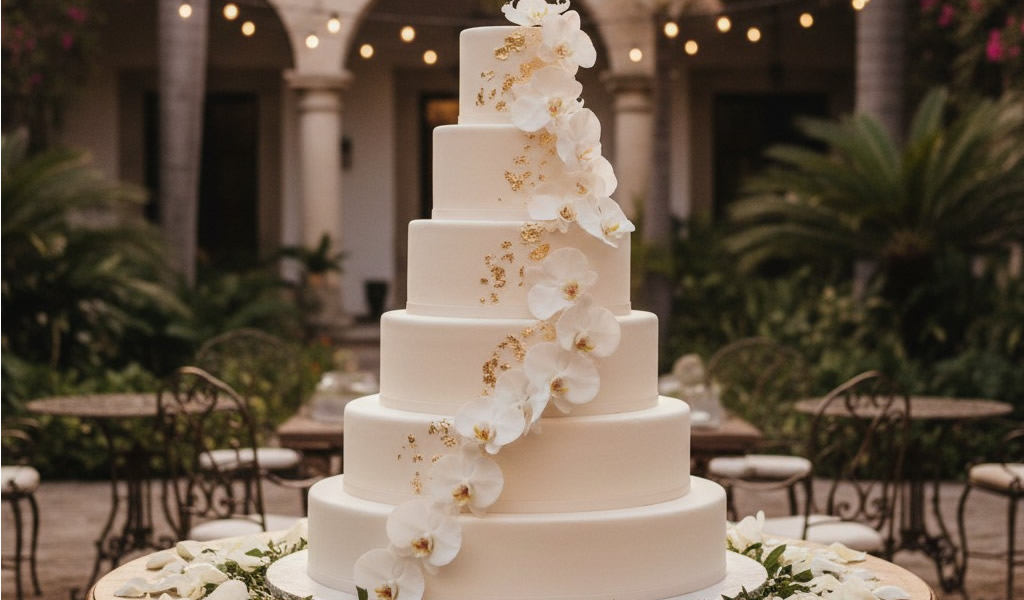
A wedding cake is much more than the dessert served at the end of the reception. For many couples, it becomes one of the visual elements that completes the wedding design, appearing in photographs, becoming part of the reception decoration and creating one of those small traditions that guests remember long after the celebration has ended. Among all the possibilities available today, multi-tiered wedding cakes continue to have a special place because they combine elegance, architecture and creativity in a way that allows almost every couple to create something personal.
The traditional image of a tall white wedding cake is still beautiful, but modern wedding cakes have evolved considerably. Couples can now choose from delicate buttercream finishes, elaborate sugar flowers, textured icing, hand-painted details, fresh flowers, modern geometric designs, minimalist cakes and elaborate creations inspired by the wedding dress or the venue itself. A multi-tiered cake can be classic and romantic, contemporary and minimalist, dramatic and luxurious, or deliberately simple. The number of tiers is only the beginning of the design process.
What makes a multi-tiered wedding cake particularly interesting is the relationship between its structure and the rest of the celebration. A cake should not necessarily match every element of the wedding, but it should feel as though it belongs there. The venue, flowers, invitations, table settings, wedding dress and overall color palette can all provide inspiration without forcing the cake into a rigid theme.
Why Are Multi-Tiered Wedding Cakes So Popular?
There is something inherently celebratory about a tall wedding cake. Its vertical structure immediately draws attention, which makes it an effective focal point for the reception. When the cake is displayed on an elegant table surrounded by flowers, candles or carefully selected decorations, it can become part of the visual composition of the room rather than simply a dessert waiting to be served.There is also a practical reason for choosing several tiers. A larger wedding may require considerably more cake than a small celebration, and multiple tiers provide a way to accommodate a greater number of servings while maintaining an elegant presentation. The cake can therefore serve both a functional purpose and a decorative one.
However, couples should not assume that a taller cake is automatically better. The ideal size depends on the number of guests, the serving plan, the design and the overall proportions of the reception. A smaller wedding can still have a beautiful multi-tiered cake, particularly when some tiers are designed as decorative elements or when the cake is intentionally more compact.
How Many Tiers Should a Wedding Cake Have?
The number of tiers should be determined by several factors rather than by tradition alone. Guest count is obviously important, but it is not the only consideration. The size of the cake table, the height of the room, the wedding venue and the visual proportions of the reception can all influence how the cake should be designed. A three-tier cake can be perfect for a medium-sized celebration, while a four- or five-tier cake can create a more dramatic presentation for a larger wedding. For an intimate celebration, a two-tier cake may provide all the height and elegance the couple wants without creating unnecessary excess.
There is also another option that has become increasingly popular: combining a smaller display cake with additional sheet cakes or kitchen cakes that are served to guests separately. This allows the couple to create an impressive multi-tiered centerpiece without requiring every portion of the dessert to be part of the visible cake.
The important question is not simply, “How many tiers should we have?” It is, “What size and structure will make sense for our celebration?”
The Difference Between a Two-Tier and Three-Tier Wedding Cake
A two-tier wedding cake can be surprisingly elegant. Its proportions often feel intimate and contemporary, making it a particularly good option for smaller weddings, courthouse celebrations, elopements with a reception or couples who prefer a less traditional aesthetic. A three-tier cake, on the other hand, provides a more recognizable wedding-cake silhouette. The additional height creates a stronger focal point and gives the cake designer more room to introduce different textures, colors or decorative elements.
The difference is not simply about size. It is about visual presence.
A minimalist two-tier cake can feel incredibly sophisticated when placed on a beautiful cake stand with restrained floral decoration. A three-tier cake can create a more formal and traditional statement, particularly when finished with sugar flowers, intricate piping or elegant architectural details.
Four-Tier and Larger Wedding Cakes
For larger celebrations, additional tiers can create an impressive visual statement. A four- or five-tier cake can work particularly well in a large ballroom, historic venue or spacious reception hall where a smaller cake might disappear visually.However, a large cake requires more than simply adding another layer. The design has to maintain structural balance, and the proportions between tiers, decorations and cake table become increasingly important.
This is where professional cake design becomes particularly valuable. A talented cake designer understands that a wedding cake is essentially an edible structure. Each tier has to support the overall composition while remaining stable, transportable and practical to serve.
Should Every Tier Be Real Cake?
Not necessarily.
Many elaborate wedding cakes use a combination of real cake and decorative tiers. This allows couples to achieve a taller presentation without producing an enormous quantity of dessert.A decorative tier can also provide additional design opportunities. For example, a cake might have two edible tiers and one decorative tier covered in the same icing and decorations, creating the appearance of a larger cake while keeping the actual amount of cake manageable.
This approach can be particularly useful for couples who want a dramatic cake but have a relatively small guest list.
Classic White Multi-Tier Wedding Cakes
The classic white wedding cake continues to work because it is extraordinarily versatile.
A white cake can feel romantic, traditional, modern or luxurious depending on its texture and decoration. Smooth white fondant creates a clean contemporary appearance, while buttercream can introduce a softer and more organic quality. Intricate piping can make the same white cake feel formal and traditional.The simplicity of white also allows flowers and other details to become more prominent.
A cake decorated with white sugar flowers can feel almost architectural, while one decorated with fresh greenery can feel more natural and relaxed.
Buttercream Wedding Cakes
Buttercream has become one of the most popular finishes for modern wedding cakes because of its soft appearance and versatility.
Unlike perfectly smooth fondant, buttercream can be textured in countless ways. It can have subtle horizontal lines, rustic imperfections, smooth contemporary surfaces or delicate decorative piping.The texture can also affect the overall personality of the cake.
A lightly textured buttercream cake with fresh flowers may feel relaxed and romantic, while a perfectly smooth buttercream finish can create a more contemporary appearance.
For couples who want a wedding cake that looks elegant without feeling overly formal, buttercream is often an excellent choice.
Fondant Wedding Cakes
Fondant remains particularly popular for highly detailed wedding cakes because it provides a smooth surface that can support intricate decoration.It is often used for elaborate floral details, geometric patterns, hand-painted designs and architectural elements. Fondant can also be particularly effective when the cake needs to have a very clean, polished appearance.
Modern cake designers have moved far beyond the traditional smooth white fondant cake. Today, fondant can be used to create cakes that resemble marble, fabric, stone, watercolor paintings or even architectural surfaces.
Wedding Cakes Inspired by the Bridal Gown
One of the most sophisticated ways to design a wedding cake is to take inspiration from the wedding dress.This does not mean reproducing the entire gown on the cake. Instead, the cake designer might borrow a subtle detail from the dress, such as lace, embroidery, beading, floral motifs or the geometry of the neckline.For example, a bride wearing a gown with delicate lace details might choose a cake featuring subtle sugar lace or embossed patterns that echo the dress.
A minimalist satin gown might inspire a smooth cake with clean lines and very little decoration.
The relationship can be subtle, but it creates visual continuity between two of the most photographed elements of the wedding.
Floral Multi-Tier Wedding Cakes
Flowers are among the most popular decorations for wedding cakes because they create an immediate connection between the dessert and the rest of the reception.Fresh flowers can be arranged around the tiers, placed at the base of the cake or positioned in a cascading composition. Sugar flowers provide another option for couples who want extremely detailed floral designs that can be prepared in advance.
The flowers do not necessarily have to match the bridal bouquet exactly.
In fact, using the same floral language with slightly different arrangements can create a more sophisticated result than simply duplicating the bouquet on the cake.
Minimalist Wedding Cakes
Minimalism has become an increasingly influential wedding design aesthetic, and wedding cakes are no exception.A minimalist multi-tier cake may use a limited color palette, smooth surfaces and very little decoration. The emphasis is on proportion, texture and presentation rather than ornamentation.This style can be particularly effective in modern venues, industrial spaces and contemporary wedding settings where the architecture already provides visual interest.
A tall white cake with subtle texture and a single floral accent can sometimes make a stronger statement than a cake covered in elaborate decoration.
Minimalism is not about making the cake less important.
It is about making every detail more intentional.
Modern Wedding Cakes With Geometric Details
For couples who prefer contemporary design, geometric elements can introduce a completely different aesthetic.Clean lines, metallic accents, angular patterns and architectural tiers can make a wedding cake feel almost sculptural.This style works particularly well with modern wedding venues and minimalist receptions because it reinforces the clean geometry of the overall design.
A geometric cake can also provide an interesting contrast when the rest of the wedding is soft and romantic. The combination of delicate flowers and structured cake decoration can create a sophisticated balance.
Hand-Painted Wedding Cakes
Hand-painted cakes can transform the dessert into a piece of edible artwork.A cake designer can incorporate watercolor effects, botanical illustrations, abstract patterns or subtle landscapes into the surface of the cake. The result can be incredibly personal, particularly when the design is inspired by the couple’s destination, wedding venue or favorite artistic style.
For a destination wedding, a hand-painted cake can even reference the location without becoming overly literal.
A mountain wedding in Colorado might incorporate subtle landscape-inspired colors and textures. A coastal celebration might use watercolor blues and organic patterns. A city wedding could take inspiration from architecture.
The possibilities are virtually unlimited.
Wedding Cakes With Metallic Details
Gold, silver and other metallic accents can introduce a sense of luxury without requiring excessive decoration.Metallic details can be subtle, such as a thin gold line around each tier, or more dramatic, such as gold-painted textures and metallic floral accents.
The key is restraint.
Metallic decoration tends to become more elegant when it is used strategically rather than covering the entire cake.Gold can work beautifully with ivory, white, champagne, blush and darker colors, making it particularly versatile for formal evening weddings.
Rustic Wedding Cakes With Multiple Tiers
Although industrial and minimalist cakes have become popular, rustic wedding cakes remain an enduring choice, particularly for outdoor weddings, mountain celebrations and countryside venues.A rustic cake might use textured buttercream, fresh flowers, greenery, fruit or natural decorative elements.
The important distinction between rustic and minimalist design is the treatment of texture. Rustic cakes often embrace visible imperfections and organic details, while minimalist cakes generally emphasize clean lines and restraint.
Both approaches can be beautiful; they simply communicate different personalities.
Wedding Cakes for Outdoor Weddings
Outdoor weddings create additional considerations for cake design because temperature, humidity and direct sunlight can affect certain ingredients and decorations.This becomes particularly important during warm-weather celebrations.The cake should remain in an appropriate environment for as long as possible before serving, and the cake designer or caterer should understand the conditions of the venue.An outdoor wedding does not mean you have to sacrifice an elaborate cake. It simply means the logistics need to be considered as carefully as the design.
Destination Wedding Cakes
Destination weddings often create opportunities for more personal cake designs.Instead of choosing a generic wedding cake, couples can incorporate subtle references to the destination. The inspiration might come from the local landscape, architecture, flowers, colors or cultural traditions.The goal should not necessarily be to create a literal representation of the destination.A more sophisticated approach is to borrow a few visual elements and translate them into the cake design.This allows the cake to feel connected to the location without becoming themed.
Wedding Cakes for Mountain Weddings
Mountain weddings offer extraordinary inspiration for cake designers.
The surrounding landscape can influence colors, textures and decorative elements without requiring the cake to look like a miniature mountain range.
Natural greens, earthy neutrals, stone-inspired textures and delicate botanical details can create a subtle connection to the environment.
This approach works particularly well for weddings in Colorado, the Rocky Mountains and other destination locations where the landscape is an important part of the wedding experience.
The Cake Table Is Part of the Design
A beautiful cake can lose some of its impact if it is placed on an ordinary table without considering the surrounding environment.
The cake table should be treated as part of the overall reception design.
A beautiful linen, elegant cake stand, candles, flowers or carefully selected backdrop can transform the presentation.
The idea is not to compete with the cake but to create an environment that gives it enough visual importance.
For photographs, this can make a significant difference.
Cake Stands and Presentation
The cake stand is often overlooked, but it can influence the entire appearance of a multi-tiered cake.
A simple white cake may benefit from an ornate vintage stand, while a modern geometric cake may look better on a clean contemporary pedestal.
Height also matters.
A slightly elevated cake can become more visible to guests and photographers, particularly in a large reception space.
The stand should therefore be selected as part of the cake design rather than as an afterthought.
How the Wedding Venue Influences the Cake
The venue should influence the cake, but it should not dictate it.
A grand ballroom may accommodate a tall and elaborate cake, while an intimate restaurant wedding might benefit from something more restrained.
An industrial venue can create an interesting contrast with a delicate floral cake. A garden wedding can support organic textures and fresh flowers. A modern architectural space may call for clean lines and geometric details.
The most successful designs usually acknowledge the environment without copying it.
How the Wedding Dress Can Influence the Cake
The wedding dress is another important source of inspiration.
If the gown features lace, the cake might incorporate a similar pattern. If the dress has pearl or crystal details, those elements might appear subtly in the cake decoration. If the gown is exceptionally minimalist, the cake can reflect that simplicity.
This creates visual continuity throughout the wedding.
The cake, dress, flowers and venue do not need to be identical.
They simply need to feel as though they belong to the same story.
Why Proportion Matters
One of the most important principles in wedding cake design is proportion.
A tall cake needs a cake table that can support its scale. A heavily decorated cake may require a simpler reception backdrop. A minimalist cake may need additional surrounding elements to keep it from disappearing visually.
The same principle applies to the relationship between the cake and the venue.
A cake that looks enormous in a small room may feel completely different in a ballroom with high ceilings.
Good cake design considers the entire environment rather than the cake in isolation.
How Much Should You Spend on a Wedding Cake?
Wedding cake pricing can vary considerably depending on the number of servings, ingredients, complexity of the design, decoration and amount of labor involved.A simple buttercream cake will generally require a different amount of work than a multi-tier cake covered with handmade sugar flowers and hand-painted details.This is why it is better to communicate your priorities with the cake designer rather than beginning with a rigid expectation about price.
If the design is the most important element, you may decide to allocate more of your budget toward the cake and serve a simpler dessert elsewhere. If serving a large number of guests is the priority, you may choose a more economical design while maintaining the multi-tier presentation.
There is no single correct approach.
When Should You Order Your Wedding Cake?
The earlier you begin discussing your wedding cake, the more flexibility you will have.
Popular cake designers may book weddings months in advance, particularly during peak wedding seasons.
Starting early also gives you time to explore designs, taste different flavors, understand pricing and coordinate the cake with the rest of the wedding aesthetic.
The cake should not necessarily be one of the first decisions you make, but it should not be left until the final weeks either.
Choosing the Flavors
Appearance may be what guests notice first, but flavor is what they remember after the first bite.
A wedding cake does not have to be limited to traditional vanilla or chocolate. Couples can choose combinations that reflect their preferences, the season or the overall personality of the celebration.
Some couples choose different flavors for different tiers, allowing guests to have several options.
This can also create a more personal experience because the cake becomes something guests discover rather than simply another decorative element.
The Cake Cutting Tradition
The cake cutting remains one of the most recognizable wedding traditions, although couples increasingly interpret it in their own way.
Some make it a formal moment photographed by the photographer. Others keep it quick and intimate before moving on to the rest of the reception.
The tradition itself is less important than whether it feels natural for the couple.
If you love the idea of cutting the cake together, make it part of the celebration.
If you prefer a quieter approach, there is no reason to turn it into a major production.
Wedding Cake Photography
The cake deserves to be photographed before guests begin eating it.
Your photographer will often capture the cake as part of the reception details, including the flowers, table setting and surrounding decorations.
If the cake has intricate details, make sure there is enough time for these photographs before the reception becomes busy.
The cake can also be photographed alongside other important details such as the wedding invitations, bouquet or wedding rings.
These images help preserve the design long after the cake itself has disappeared.
The Cake Does Not Have to Match Everything
One of the most important lessons in modern wedding design is that coordination does not mean duplication.
Your cake does not have to use exactly the same flowers as your bouquet.
It does not have to reproduce your invitations.
It does not have to copy the wedding dress.
It simply needs to exist within the same visual world.
Sometimes the most beautiful cake is one that introduces a subtle contrast.
A soft floral cake in an industrial venue can feel more sophisticated than a cake designed to imitate the architecture. A modern geometric cake in a romantic garden can create an unexpected and memorable combination.
Final Thoughts on Multi-Tier Wedding Cakes
A multi-tiered wedding cake can be traditional, modern, romantic, minimalist, artistic or completely unconventional. The number of tiers is only the structural foundation; the real personality comes from the flavors, textures, colors, decoration and way the cake interacts with the rest of the wedding.
The best wedding cakes are rarely the ones with the most decoration.
They are the ones that make sense.
They make sense with the venue, with the flowers, with the wedding dress and with the atmosphere the couple wants to create. They are large enough to make an impression without overwhelming the reception, beautiful enough to photograph from every angle and practical enough to serve the guests comfortably.Whether you are planning a sophisticated city wedding in Denver, a romantic celebration in Mexico, a destination wedding in the mountains or an intimate ceremony somewhere completely different, a thoughtfully designed multi-tier wedding cake can become one of the most memorable visual details of the day.
And perhaps that is why wedding cakes continue to occupy such an important place in the celebration.
The flowers eventually disappear.
The music eventually stops.
The decorations are eventually taken down.
But for one brief moment, the wedding cake brings together design, tradition, celebration and the simple pleasure of sharing something sweet with the people you love.